Interview guide
Phone Interview: Definition, How It Works, and FAQ (2026)
A phone interview is a preliminary job interview conducted over the phone, typically lasting 15-30 minutes. It is usually the first round in the hiring pro
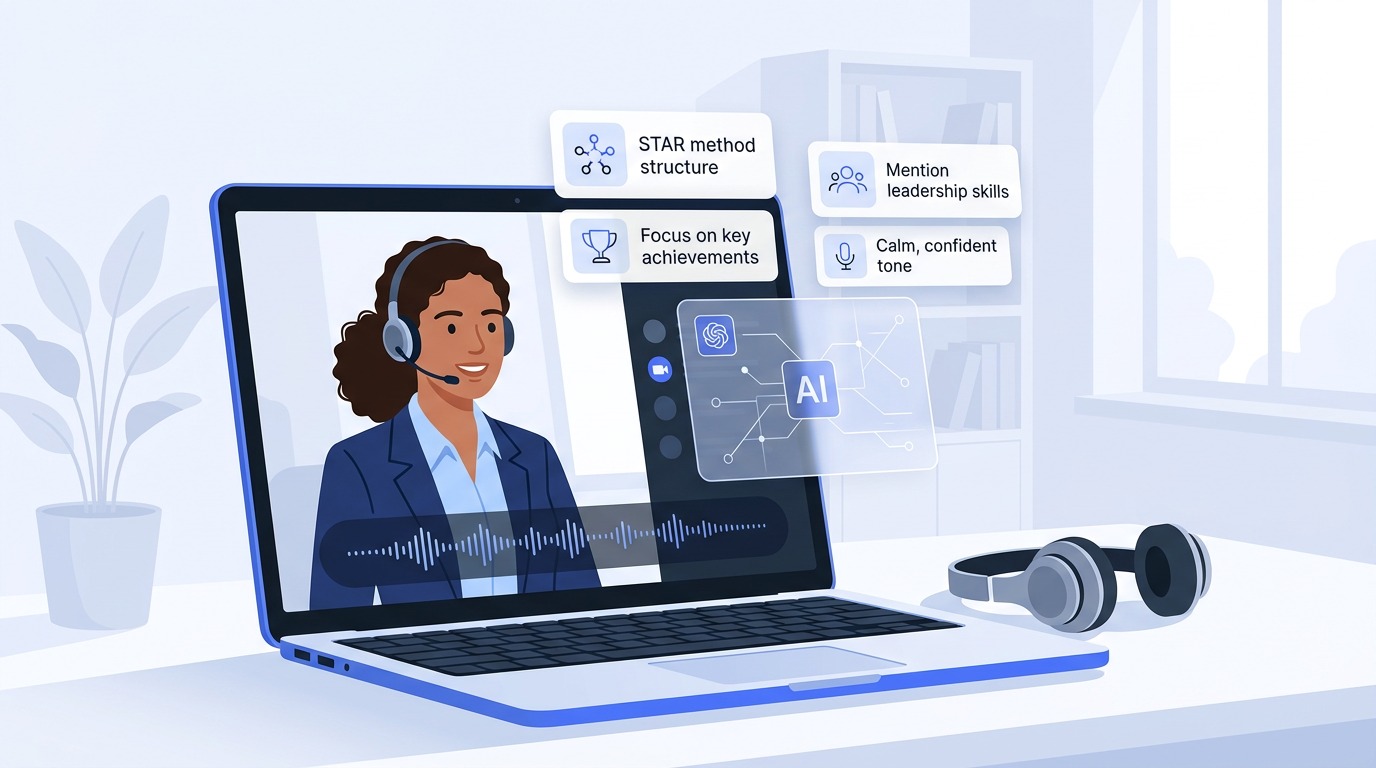
Quick definition
A phone interview is a preliminary job interview conducted over the phone, typically lasting 15-30 minutes. It is usually the first round in the hiring process, used to screen candidates before inviting them to an in-person or video interview. Phone interviews focus on basic qualifications, experience, salary expectations, and cultural fit. According to a 2026 SHRM report, 92% of companies use phone interviews as a screening tool, and candidates who prepare 3-5 key talking points in advance are 40% more likely to advance to the next round.
Direct answer
A phone interview is a preliminary screening interview conducted over the phone, typically lasting 15-30 minutes. It is usually the first step in the hiring process, designed to verify basic qualifications, assess communication skills, confirm salary expectations, and determine cultural fit before investing time in a full in-person or video interview. According to a 2026 SHRM report, 92% of companies use phone interviews as a screening tool, and the average phone screen is conducted by an HR representative or recruiter rather than the hiring manager.
Phone interviews test verbal communication without visual cues, making them distinct from in-person and video interviews. Candidates cannot rely on body language, facial expressions, or eye contact to convey enthusiasm. A 2026 LinkedIn study found that 47% of candidates fail the phone screen due to poor verbal communication — rambling answers, lack of enthusiasm in tone, or inability to concisely articulate their value proposition. The ideal answer length for phone interviews is 60-90 seconds, shorter than the 2-3 minutes expected in in-person behavioral interviews.
Preparation for a phone interview involves researching the company, preparing 3-5 key talking points, having your resume and the job description in front of you, and practicing aloud. According to a 2026 Glassdoor study, candidates who prepare specific talking points in advance are 40% more likely to advance to the next round. Mobile-based AI practice tools are particularly effective for phone interview prep: 67% of job seekers use mobile devices for interview preparation (Statista, 2026), and practicing answering questions aloud without visual cues directly mimics the phone interview experience.
How it works
Scheduling
The recruiter schedules a 15-30 minute phone call, usually within 3-5 days of receiving the application. Some companies conduct unannounced phone screens.
Screening questions
The interviewer asks about basic qualifications, experience, salary expectations, availability, and interest in the role. Questions are typically high-level, not deep technical or behavioral probes.
Candidate questions
The interviewer usually leaves 5-10 minutes for the candidate to ask questions. Having 2-3 prepared questions demonstrates interest and engagement.
Advancement decision
The recruiter evaluates communication skills, basic fit, and salary alignment, then decides whether to advance the candidate to a full interview with the hiring manager.
Comparison
| Aspect | Phone Interview | Video Interview | In-Person Interview |
|---|---|---|---|
| Duration | 15-30 minutes | 30-60 minutes | 45-90 minutes |
| Visual cues | None (audio only) | Video (body language) | Full (body language, environment) |
| Typical stage | First screen | Second round | Final round |
| Conducted by | Recruiter/HR | Hiring manager | Hiring manager/team |
Frequently asked questions
What is a phone interview?
A phone interview is a preliminary screening interview conducted over the phone, typically lasting 15-30 minutes. It is usually the first step in the hiring process, used to verify basic qualifications, assess communication skills, and confirm salary expectations. According to a 2026 SHRM report, 92% of companies use phone interviews as a screening tool.
How long does a phone interview last?
Most phone interviews last 15-30 minutes. They are designed as a quick screen, not a full interview. Keep your answers concise — 60-90 seconds per answer. A 2026 LinkedIn study found that 47% of candidates fail the phone screen due to rambling answers or poor verbal communication.
How should I prepare for a phone interview?
Research the company, prepare 3-5 key talking points, have your resume and the job description accessible, and practice answering common questions aloud. A 2026 Glassdoor study found that candidates who prepare specific talking points are 40% more likely to advance to the next round.
What questions are asked in a phone interview?
Common phone screen questions include: 'Tell me about yourself,' 'Why are you interested in this role?,' 'What are your salary expectations?,' 'When can you start?,' and 'Walk me through your resume.' Questions are high-level, not deep technical probes.
Can I use notes during a phone interview?
Yes. One advantage of phone interviews is that the interviewer cannot see you. Have your resume, the job description, your talking points, and prepared questions in front of you. But avoid reading verbatim — it sounds robotic. Use notes as prompts, not a script.
What is the difference between a phone interview and a video interview?
A phone interview is audio-only, testing verbal communication without visual cues. A video interview includes video, allowing both parties to see body language and facial expressions. Phone interviews are typically shorter (15-30 minutes) and used as a screen, while video interviews may be longer and more in-depth.
Related
Practice with AI
Want to practice these interview questions interactively? Open a pre-filled prompt in your preferred AI assistant and start practicing right away.