Interview guide
Screening Interview: Definition, How It Works, and FAQ (2026)
A screening interview is a brief, preliminary interview used to determine whether a candidate meets the basic qualifications for a role before investing ti
Quick definition
A screening interview is a brief, preliminary interview used to determine whether a candidate meets the basic qualifications for a role before investing time in a full interview. Screening interviews are typically 15-30 minutes, conducted by phone or video, and focus on verifying experience, salary expectations, availability, and interest in the role. According to a 2026 SHRM report, 92% of companies use screening interviews as the first step in their hiring process, and candidates who are rejected at the screening stage most commonly fail due to salary misalignment (38%) or lack of relevant experience (29%).
Direct answer
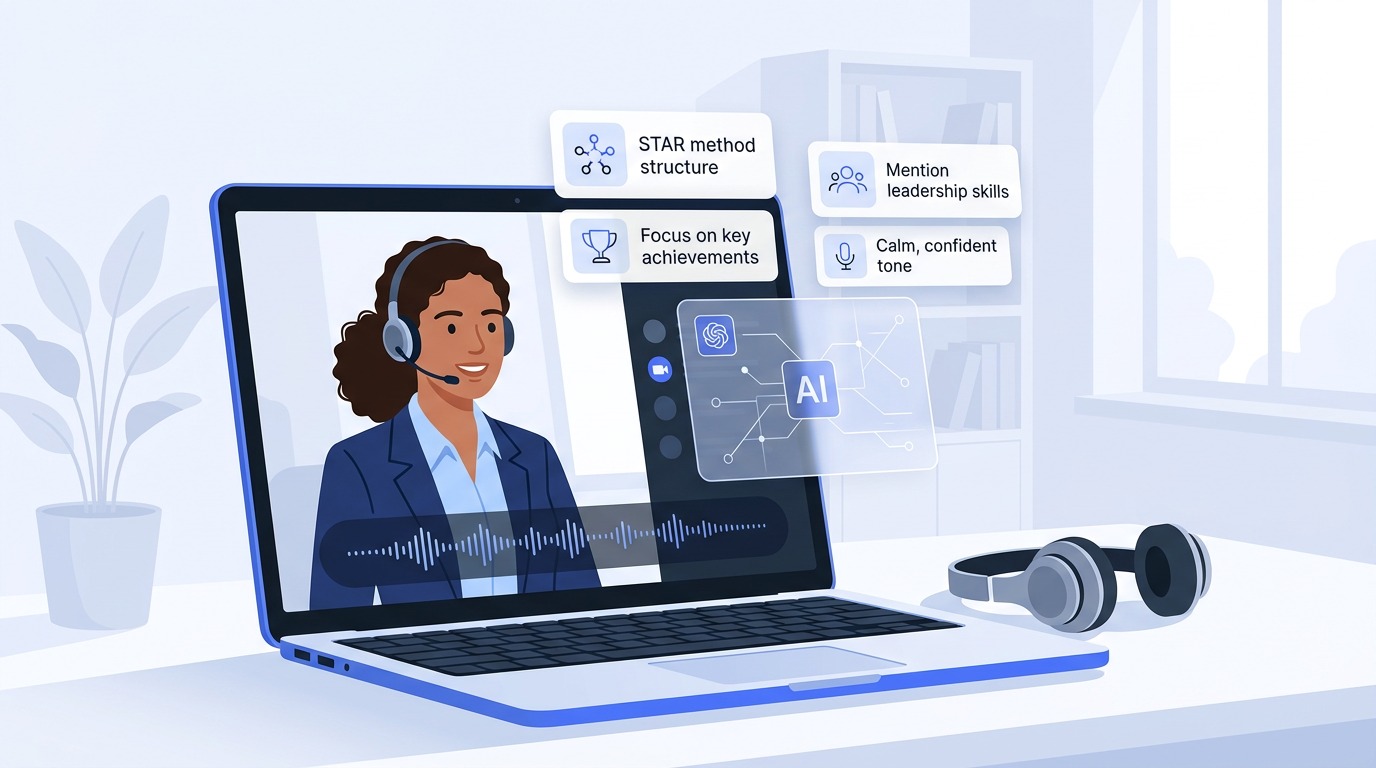
A screening interview is a brief, preliminary interview designed to determine whether a candidate meets the basic qualifications for a role before investing time in a full interview process. It is typically the first step in hiring, lasting 15-30 minutes, and conducted by phone or video by a recruiter or HR representative. The focus is on verifying work experience, confirming salary expectations, assessing availability, and gauging interest in the role. According to a 2026 SHRM report, 92% of companies use screening interviews as their first hiring step.
The screening interview is not designed to deeply assess skills — it is a filter to identify candidates worth investing more time in. A 2026 LinkedIn analysis found that the most common reasons for rejection at the screening stage are salary misalignment (38% of rejections), lack of relevant experience (29%), poor communication skills (18%), and lack of interest or enthusiasm (15%). Candidates who clearly articulate their relevant experience, have researched the salary range, and express genuine enthusiasm are significantly more likely to advance.
Preparation for a screening interview is lighter than for a full interview but still important. Candidates should have a concise 'elevator pitch' summarizing their background, know their salary range based on market research, and be able to explain why they are interested in the specific role and company. According to a 2026 Glassdoor study, candidates who prepare a 60-second summary of their qualifications and have a clear salary range are 40% more likely to pass the screening interview. The screening interview is also the candidate's chance to ask basic questions about the role and process.
How it works
Resume review
The recruiter reviews the candidate's resume and application, noting relevant experience, qualifications, and any concerns like employment gaps or salary expectations.
Brief call
The recruiter conducts a 15-30 minute phone or video call, asking about experience, salary expectations, availability, work authorization, and interest in the role.
Initial assessment
The recruiter evaluates whether the candidate meets the basic requirements and whether their expectations align with what the company can offer.
Advancement or rejection
The recruiter decides whether to advance the candidate to the hiring manager interview or reject them. Candidates who pass are usually scheduled for a full interview within 1-2 weeks.
Comparison
| Aspect | Screening Interview | Full Interview | Final Round Interview |
|---|---|---|---|
| Duration | 15-30 minutes | 45-60 minutes | 60-120 minutes |
| Conducted by | Recruiter/HR | Hiring manager | Senior leadership/panel |
| Purpose | Filter basic qualifications | Assess role-specific skills | Final decision and fit |
| Pass rate | ~25-30% advance | ~40-50% advance | ~60-70% receive offer |
Frequently asked questions
What is a screening interview?
A screening interview is a brief, preliminary interview (15-30 minutes) used to determine whether a candidate meets basic qualifications before a full interview. According to a 2026 SHRM report, 92% of companies use screening interviews as their first hiring step. It focuses on experience, salary, availability, and interest.
How long does a screening interview last?
Most screening interviews last 15-30 minutes. They are designed as a quick filter, not a deep assessment. The recruiter verifies basic qualifications, confirms salary expectations, and gauges interest before deciding whether to invest in a full interview.
What questions are asked in a screening interview?
Common questions include: 'Tell me about yourself,' 'What is your salary expectation?,' 'When can you start?,' 'Are you authorized to work in this country?,' and 'Why are you interested in this role?' The recruiter is verifying basics, not probing deeply into skills.
How should I prepare for a screening interview?
Prepare a 60-second summary of your qualifications, know your salary range based on market research, be ready to explain your interest in the role, and have 2-3 questions about the position. A 2026 Glassdoor study found that prepared candidates are 40% more likely to pass the screen.
Why do candidates fail screening interviews?
The most common reasons are salary misalignment (38%), lack of relevant experience (29%), poor communication (18%), and lack of enthusiasm (15%), according to a 2026 LinkedIn analysis. Prepare clear answers about salary and experience to avoid these pitfalls.
Is a screening interview the same as a phone interview?
Not exactly. A screening interview is the purpose (filtering candidates), while a phone interview is the format. Most screening interviews are conducted by phone, but screening interviews can also be conducted by video or even through written questionnaires.
Related
Practice with AI
Want to practice these interview questions interactively? Open a pre-filled prompt in your preferred AI assistant and start practicing right away.