Interview guide
Elevator Pitch: Definition, How It Works, and FAQ (2026)
An elevator pitch is a concise, compelling summary of who you are, what you do, and what value you bring, designed to be delivered in 30-60 seconds — the d
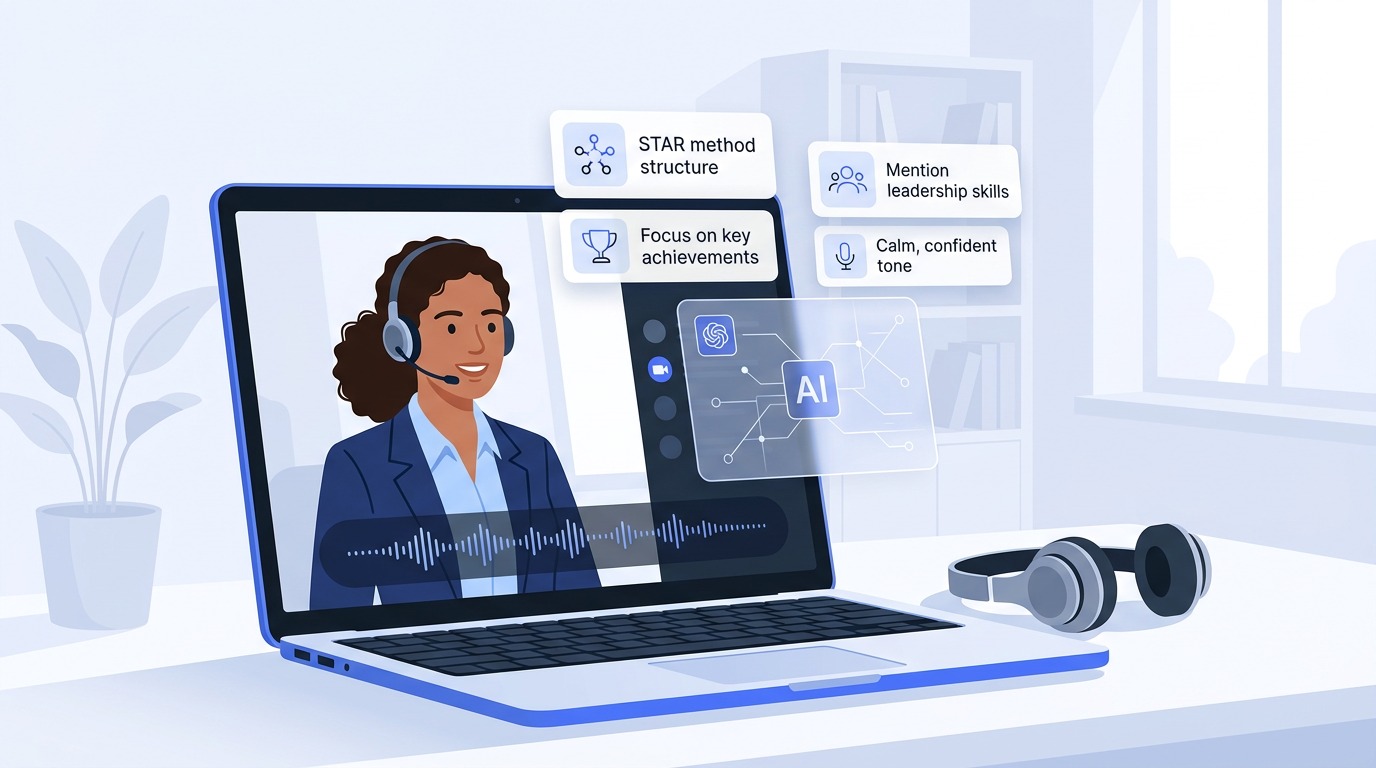
Quick definition
An elevator pitch is a concise, compelling summary of who you are, what you do, and what value you bring, designed to be delivered in 30-60 seconds — the duration of an elevator ride. In interviews, the elevator pitch is the answer to 'Tell me about yourself,' the most common opening question. According to a 2026 LinkedIn report, 99% of interviews begin with some form of 'tell me about yourself,' and candidates who deliver a structured, memorable pitch are 37% more likely to be rated positively by interviewers.
Direct answer
An elevator pitch is a concise, compelling summary of who you are, what you do, and the value you bring, designed to be delivered in 30-60 seconds. The name comes from the idea that you should be able to introduce yourself during an elevator ride. In interviews, the elevator pitch is the answer to 'Tell me about yourself,' which according to a 2026 LinkedIn report is the opening question in 99% of interviews. A well-crafted pitch sets the tone, demonstrates communication skills, and highlights your most relevant qualifications.
The most effective elevator pitches follow a structured framework: present (who you are now), past (relevant experience that led you here), and future (why this role and company). For example: 'I am a product manager with 5 years of experience at a fintech startup (present). Previously, I led a team that launched a payment feature used by 2 million users (past). I am excited about this role because I want to apply my fintech experience to a larger platform (future).' A 2026 Glassdoor study found that candidates who use this structure are 37% more likely to be rated positively than those who give an unstructured or rambling answer.
The key principles are conciseness, relevance, and memorability. Keep it under 60 seconds — a 2026 LinkedIn study found that interviewers lose attention after 90 seconds and begin forming negative impressions of rambling answers. Focus on what is most relevant to the role and company, not your full life story. Include a 'hook' — a quantified achievement or unique perspective that makes you memorable. Practice your pitch aloud until it feels natural, not rehearsed. According to a 2026 SHRM report, 68% of hiring managers make preliminary hiring decisions based on the first answer, making the elevator pitch the most impactful moment of the interview.
How it works
Present
Start with who you are now: your current role, title, and a key qualification. Keep it to one sentence. Example: 'I am a marketing manager with 6 years of experience in B2B SaaS.'
Past
Highlight 1-2 relevant achievements that led you to this point, with quantified results. Example: 'I led a campaign that increased lead generation by 45% and generated $2M in pipeline.'
Future
Connect to the role and company. Explain why you are interested and how your experience applies. Example: 'I am excited about this role because I want to bring my B2B SaaS experience to a larger platform.'
Practice and refine
Practice your pitch aloud until it feels natural. Time it to ensure it is under 60 seconds. Adjust for each interview to highlight the most relevant experience for the specific role.
Comparison
| Component | What to Include | Duration | Example |
|---|---|---|---|
| Present | Current role and title | 1 sentence | 'I am a PM with 5 years in fintech' |
| Past | 1-2 quantified achievements | 2-3 sentences | 'Launched a feature used by 2M users' |
| Future | Why this role and company | 1 sentence | 'Excited to apply my experience here' |
| Total | Complete pitch | 30-60 seconds | Memorable and concise |
Frequently asked questions
What is an elevator pitch?
An elevator pitch is a concise, 30-60 second summary of who you are, what you do, and the value you bring. In interviews, it is the answer to 'Tell me about yourself,' the opening question in 99% of interviews (LinkedIn, 2026). A structured pitch makes you 37% more likely to be rated positively.
How long should an elevator pitch be?
30-60 seconds. A 2026 LinkedIn study found that interviewers lose attention after 90 seconds. Keep it concise, relevant, and focused on what matters for the specific role. Practice with a timer until it feels natural.
What structure should I use for an elevator pitch?
Use the present-past-future framework: who you are now (present), 1-2 relevant achievements with quantified results (past), and why you want this role (future). A 2026 Glassdoor study found that candidates using this structure are 37% more likely to be rated positively.
How do I answer 'Tell me about yourself?'
Treat it as an elevator pitch. Start with your current role, highlight 1-2 relevant achievements with metrics, and connect to why you are interested in this specific role. Avoid reciting your full resume or personal life story. Keep it under 60 seconds and make it memorable.
Should I tailor my elevator pitch for each interview?
Yes. Customize your pitch to highlight the experience most relevant to each role and company. A 2026 SHRM report found that 68% of hiring managers make preliminary decisions based on the first answer, making a tailored pitch the most impactful moment of the interview.
What should I avoid in an elevator pitch?
Avoid rambling (over 90 seconds), reciting your resume chronologically, being too personal (life story), being too vague (no specific achievements), and sounding rehearsed. Include a quantified 'hook' that makes you memorable, and practice until it feels natural.
Related
Practice with AI
Want to practice these interview questions interactively? Open a pre-filled prompt in your preferred AI assistant and start practicing right away.