Interview guide
How to Follow Up After an Interview: Templates and Tips (2026) | Free Practice
How to follow up after an interview in 2026: when to send, what to say, email templates, second follow-up timing, and common mistakes.
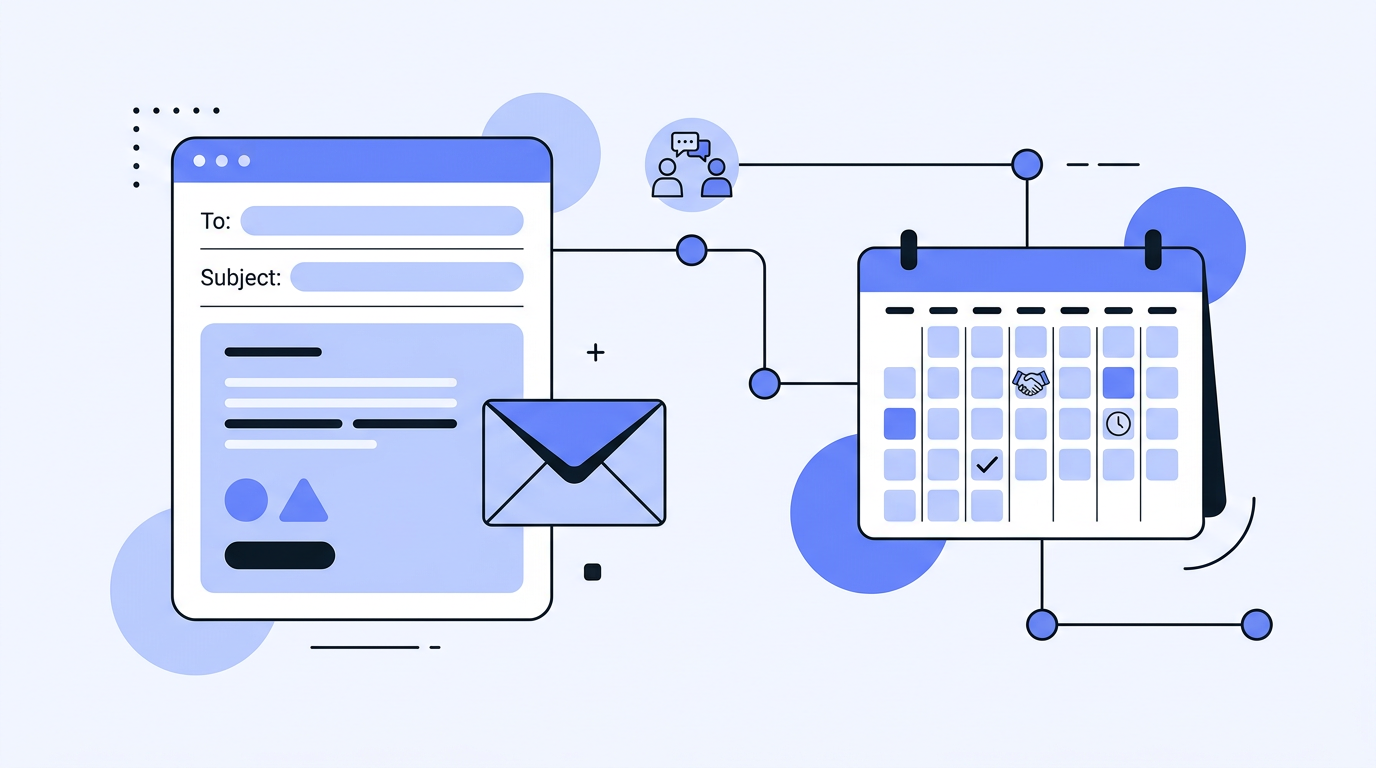
How to follow up after an interview in 2026 means sending a thank-you email within 24 hours, waiting for the recruiter's stated timeline, then sending a concise follow-up if the deadline passes. SHRM's 2026 survey found that 74% of hiring managers view a timely thank-you note positively, and 24% have rejected candidates who did not send one. Glassdoor found that candidates who referenced specific conversation points in their thank-you notes had a 22% higher callback rate. The strongest follow-up plan has five steps: send a thank-you within 24 hours, wait for the stated timeline, send a first follow-up after the deadline, send a second follow-up after 5 to 7 more business days, and then move on if there is no response.
Quick Answer
- When to send a thank-you? — Within 24 hours. SHRM found 74% of hiring managers view it positively, and 24% reject those who skip it.
- When to follow up? — 3 to 5 business days after the stated deadline. Do not follow up before the timeline.
- What to say? — Thank them, reference one specific topic, restate interest, offer more info. Keep it under 150 words.
- Second follow-up? — Wait 5 to 7 more business days. Do not send more than two follow-up emails total.
- Biggest mistake — Following up before the stated deadline. It signals impatience and undermines professionalism.
Why following up matters
A follow-up after an interview is not just a courtesy—it is a measurable signal of professionalism and interest. SHRM's 2026 survey found that 74% of hiring managers view a timely thank-you note positively, and 24% have rejected candidates who failed to send one. Glassdoor found that candidates who referenced specific conversation points in their thank-you notes had a 22% higher callback rate. The follow-up reinforces your candidacy, keeps you top of mind during a slow hiring process, and gives you one more chance to demonstrate communication skills. Done well, it helps. Done poorly, it hurts.
Five-step follow-up plan
Send a thank-you within 24 hours
Send a concise thank-you email within 24 hours of the interview. SHRM found 74% of hiring managers view timely thank-you notes positively, and 24% have rejected candidates who did not send one. Reference one specific topic from the conversation to show genuine engagement.
Wait for the stated timeline
Ask the recruiter when you can expect to hear back. Do not follow up before that deadline. SHRM found 58% of hiring managers respond within one week, but 19% take longer. Respecting the timeline shows professionalism and patience.
Send a follow-up after the deadline
If the deadline passes with no response, send one concise follow-up email 3 to 5 business days later. Restate your interest, reference the interview, and offer to provide additional information. Keep it under 150 words.
Wait 5 to 7 days before a second follow-up
If you still hear nothing, send one final check-in after 5 to 7 more business days. Express continued interest and ask if there is any additional information you can provide. Do not send more than two follow-up emails total.
Move on and keep practicing
If you hear nothing after two follow-ups, move on to other opportunities. Use the experience to refine your answers and practice for the next interview with AI. Silence is not personal—it usually means the process is slow or a different candidate was selected.
Email templates you can use
Use these templates as a starting point. Replace the bracketed placeholders with your specific details and always reference one real topic from your interview. Glassdoor found that personalized thank-you notes referencing conversation points had a 22% higher callback rate than generic ones.
Subject: Thank you — [Role name] interview
Dear [Name],

Thank you for taking the time to speak with me yesterday about the [Role] position. I especially enjoyed our discussion about [specific topic from the interview].

The conversation reinforced my interest in joining [Company], and I am confident my experience in [skill/area] would help the team [specific outcome].

Please let me know if you need any additional information. I look forward to hearing from you.

Best regards,
[Your name]
Subject: Following up — [Role name] application
Dear [Name],

I hope you are doing well. I am following up on my interview for the [Role] position on [date]. You mentioned I could expect to hear back by [timeline], so I wanted to check if there are any updates.

I remain very interested in the role and would be happy to provide any additional information or references. Thank you again for your time.

Best regards,
[Your name]
Subject: Checking in — [Role name] position
Dear [Name],

I wanted to send a brief note to reiterate my interest in the [Role] position. I understand hiring decisions take time, and I appreciate the effort your team is putting into the process.

If there is anything else I can share to support my application, please do not hesitate to ask. I will continue to follow the process with interest.

Best regards,
[Your name]
Common follow-up mistakes
- Following up before the deadline — It signals impatience. Wait for the stated timeline before checking in.
- Sending too many follow-ups — Two is the maximum. More than that risks being seen as pushy or desperate.
- Generic thank-you notes — Glassdoor found personalized notes referencing specific conversation points had a 22% higher callback rate.
- Asking about salary or benefits in a follow-up — Save compensation discussions for the offer stage, not the follow-up.
- Sending both an email and a LinkedIn message — Pick one channel. SHRM found 68% of hiring managers prefer email.
- Long, multi-paragraph follow-ups — Keep it under 150 words. Hiring managers are busy; brevity signals respect.
- Not sending a thank-you at all — SHRM found 24% of hiring managers have rejected candidates for this. Always send one.
How to practice interview follow-up with Uhired AI
Uhired AI can help you draft and refine your follow-up emails. After your interview, paste your notes and the job description, and ask the AI to generate a concise thank-you email referencing your specific conversation points. For more on email strategy, read our thank-you email guide and follow-up email guide. If you are preparing for a second round, see our second interview tips.
Frequently asked questions
Frequently asked questions
| Question | Answer summary |
|---|---|
| How long should I wait to follow up after an interview? | Send a thank-you email within 24 hours of the interview. If you have not heard back after the timeline the recruiter gave you, send a follow-up email 3 to 5 business days after that deadline. SHRM's 2026 survey found that 74% of hiring managers view a timely thank-you note positively, and 24% have rejected candidates who did not send one. The follow-up is not pushy if it respects the stated timeline. |
| What should I say in a follow-up email after an interview? | A follow-up email should be short: thank the interviewer, reference one specific topic from the conversation, restate your interest in the role, and offer to provide additional information. Avoid generic language, long paragraphs, or asking about salary. SHRM found that 74% of hiring managers respond positively to a concise, personalized thank-you note. Keep it under 150 words. |
| Should I send a thank-you email or a LinkedIn message? | Send a thank-you email if you have the interviewer's email address. If you only connected on LinkedIn, a brief LinkedIn message is acceptable. Glassdoor found that 68% of hiring managers prefer email for professional follow-up, while 22% accept LinkedIn. Match the channel you used for scheduling. Never send both an email and a LinkedIn message to the same person for the same interview. |
| What if I do not hear back after my follow-up email? | Wait 5 to 7 business days after your first follow-up before sending a second one. If you still hear nothing, send one final message and then move on. SHRM reports that 58% of hiring managers respond within one week, but 19% take longer. Silence usually means the process is still running or a different candidate was selected. Do not send more than two follow-up emails. |
| Can following up hurt my chances? | Following up rarely hurts if done professionally. SHRM found that 74% of hiring managers view a timely thank-you positively. It can hurt if you follow up too early (before the stated deadline), send multiple messages, or sound demanding. The rule is: send one thank-you within 24 hours, wait for the timeline, then send one follow-up. A second follow-up after 5-7 more days is the maximum. |
| Should I follow up differently after a second interview? | Yes. After a second or final interview, send a thank-you within 24 hours that references deeper topics from the conversation. If the interviewer mentioned a specific challenge the team faces, address it briefly. Glassdoor found that candidates who referenced specific conversation points in their thank-you notes had a 22% higher callback rate. Wait for the stated timeline before following up, then send one concise check-in. |
Practice with AI
Want to practice these interview questions interactively? Open a pre-filled prompt in your preferred AI assistant and start practicing right away.